

Ten years ago, the garden room brief was fairly predictable. A home office, usually. Occasionally a gym. Sometimes a space described vaguely as a "hobby room" that would, in practice, become storage within eighteen months. The structure itself was often an afterthought, something added to the garden rather than designed for it, chosen from a brochure and installed over a long weekend.
That brief has changed considerably. What clients are asking for now is more varied, more specific, and more ambitious than it was even at the start of this decade. From the changing work-life balance to a need for more privacy, there are plenty of reasons why garden rooms are a lot more varied now than they were a decade ago.
The home has had to do more
The most significant driver is not aesthetic. It is functional. The aftereffects of 2020 have fundamentally altered what people expect their home to provide, and that expectation has not reverted now that offices have reopened and the world has largely resumed. Many people who spent an extended period working from home discovered, sometimes reluctantly, that they preferred it. Others found that the boundaries between work and home life had collapsed in ways they wanted to actively design around rather than simply tolerate. Either way, the result is the same: the home is being asked to accommodate a wider range of activities and needs than it was a decade ago, and the garden is increasingly where that extra capacity is being found.
This is not purely a space problem, though it is partly that. It is also a psychology problem. Working at the kitchen table, or in a corner of the bedroom, or in a spare room that doubles as everything else, erodes the mental separation between different parts of life in ways that compound over time. A dedicated space addresses that pressure in a way that reorganising the existing square footage simply cannot.
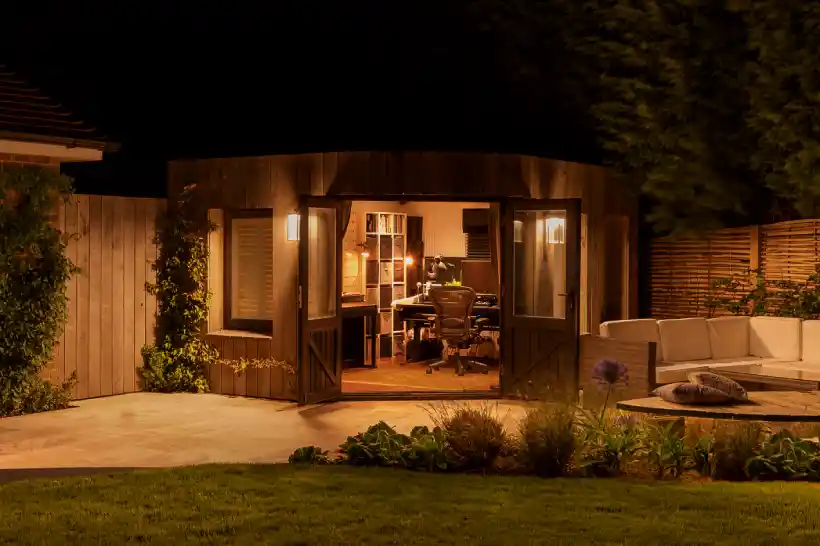
Home Offices
Home offices remain the most common starting point, though what people want has become a lot more focused. Clients are no longer simply looking for any space to work. They want something that acts as a proper place of work: acoustically considered, thermally comfortable year-round, well-lit without glare, and designed to feel like a space worth spending eight hours in. Now that working from home is the norm, people are more conscious of the space they need to be most productive, and that requires tailored and attentive design.
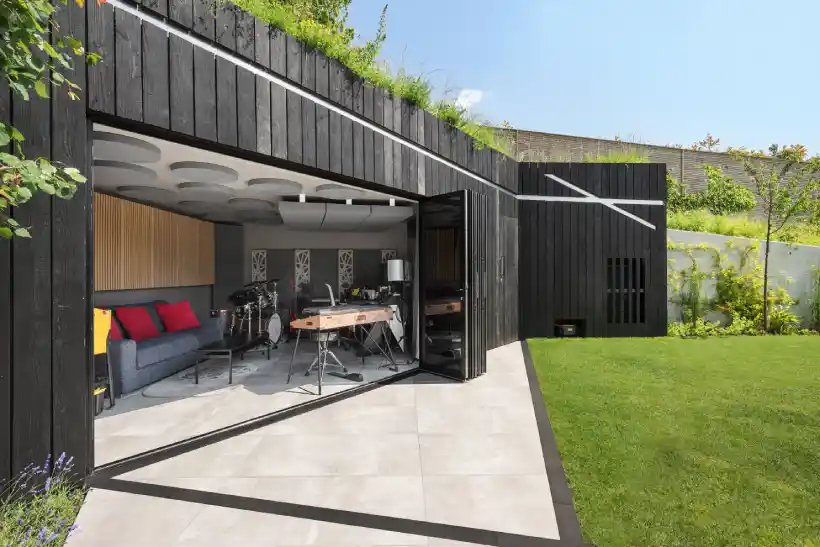
Garden Studios
Creative garden studios are one of the most interesting briefs to work with, partly because they vary so widely. A recording studio has an entirely different specification to a painting studio or a ceramics workshop. An architect's studio needs different light to a photographer's. What they share is the requirement for a space that supports the work being done in it, rather than merely housing it. Getting the brief right requires understanding the discipline, and the result is almost always one of the most used and valued spaces on the property.
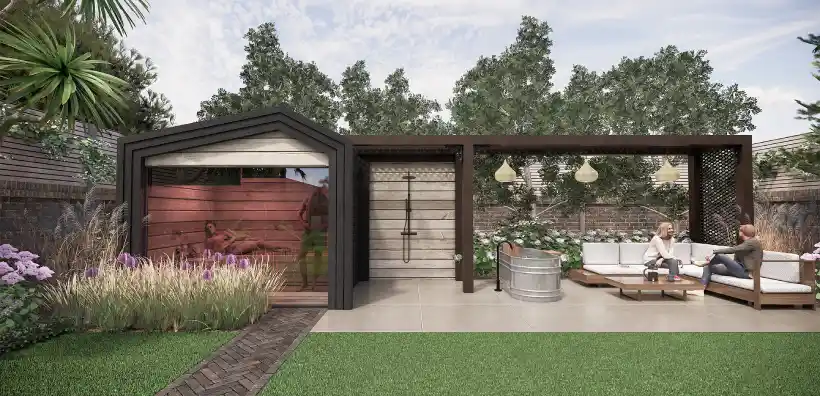
Garden Saunas
Garden saunas have moved from novelty to being in increased demand in a relatively short period. The recent trends towards personal wellness and the increased drive towards experiencing more at home have created a passionate and strong market. While most garden saunas will make use of the same materials and the same general layout, there is a surprising amount of ingenuity and bespoke design touches involved in the craft. Done properly, a garden sauna is a considered installation: thermally efficient, durable, and designed in relation to the garden around it so that the transition between outside and in feels intentional. Those passionate about personal wellness and relaxation take great care to maximise their space, and poorly designed garden saunas or simple installations represent limited value.
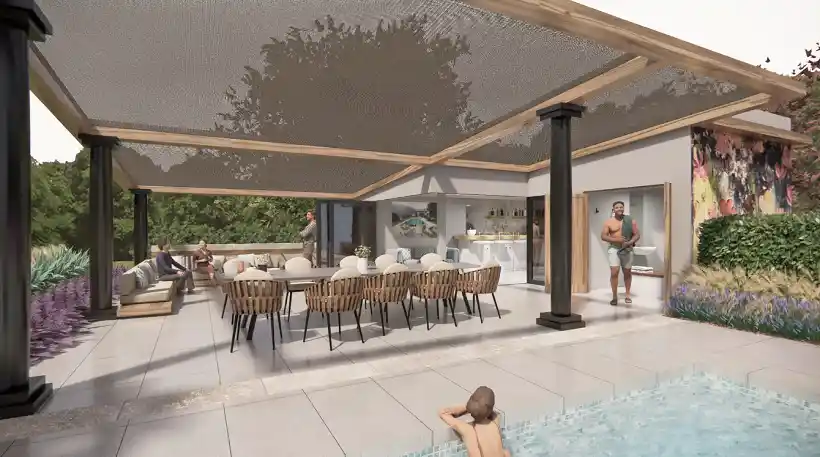
Pool Rooms
Pool rooms and pool houses represent some of the most architecturally ambitious garden room projects. The brief almost always involves the relationship between inside and outside, between the pool itself and the space that supports it, and between the structure and the wider garden. Getting this right requires thinking about the project as a whole rather than as a series of separate elements, which is where a design-led approach makes the most practical difference.
Garden Gyms
Gyms and training spaces have also grown as a category, particularly for clients who train seriously and want a dedicated environment that matches their level of commitment. The specification here is more demanding than it might appear: flooring that handles impact and load, ceiling height that accommodates the equipment, ventilation that actually works under exertion, and acoustic separation so that a 6am training session does not wake the rest of the household.
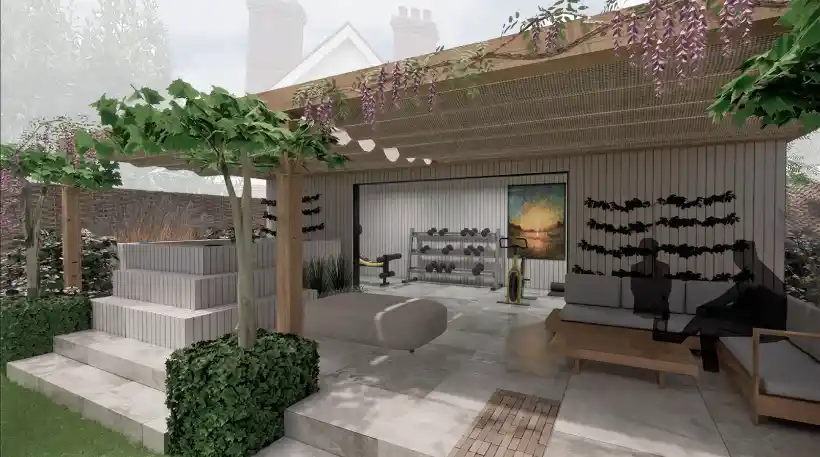
Designing a garden room space
What connects all of these, beyond the variety of uses, is that clients are arriving with a much clearer sense of what they want and why. A garden room now has a real function and purpose in the home, and clients have spent real time thinking about what they are missing and what they would do with the space if they had it. Our work and our priorities are about bringing that vision to life through intricate design and smart choices, helping to make a space that combines the outside space with the interior and acts as a perfect solution for whatever the use case may be.
If you want to create your dream space, garden rooms might be the perfect solution. We have award-winning experience crafting and delivering outdoor spaces specifically designed to give the client exactly what they desire. For more information, please get in touch with our team.


